Water Damage Restoration in Santee, CA
Water damage restoration in Santee, CA starts with a fast response and a proper understanding of a growing suburb built around a river. Santee sits to the north-east of La Mesa, about 18 miles east of downtown San Diego, bordered by El Cajon to the south and Lakeside to the north. The San Diego River runs through the middle of the city, and that river shapes the water damage we see here more than anything else.
Santee is a growing suburb with family neighbourhoods, parks and recreation facilities, and its housing mixes 1960s homes in Carlton Hills with newer subdivisions across the city. La Mesa Water Damage Restoration serves the whole of Santee in ZIP codes 92071 and 92072, from Carlton Hills and the Town Center to Woodglen Vista, Carlton Oaks and Sky Ranch. Whether a supply line has burst in a Carlton Hills home, storm water has pushed across the river plain, or a slow leak has soaked a ceiling in a Town Center apartment for weeks, we are ready to help.
What water damage restoration covers in Santee
Water damage restoration in Santee covers the full job, from the first call to the finished repair. It starts with emergency water extraction, then moisture mapping to find water that has entered through more than one point, then structural drying with air movers and dehumidifiers, then cleaning and treatment of affected surfaces, and finally repair of the drywall, flooring and trim that could not be saved. Mold remediation sits inside the same job where slow leaks have left mold behind, and every step is documented with moisture maps, drying logs and photographs for your insurance claim.
That full scope matters in Santee because the river plain spreads water further than a single leak would. Storm water can enter a Town Center home through the ground floor, a garage and a shared wall all at once, and the water is often contaminated, which changes how it must be handled. Older homes in Carlton Hills hide slow leaks inside walls for weeks, while newer subdivisions can suffer from grading that has not settled and irrigation that soaks the uphill wall of a home on a slope. A restoration that only dries what is visibly wet misses the water that has already travelled inside the structure.
Signs you need water damage restoration in Santee
Call us if you notice any of these in your Santee home or business:
- A warm spot on tile or a damp patch on carpet, often the first sign of a copper line leaking under a concrete slab.
- A water bill that has crept up without a change in use.
- A musty smell, soft or bubbling paint, or a stain spreading across a ceiling or wall.
- Flooring that has lifted, cupped or buckled, or baseboards pulling away from the wall.
- Water pooling on river-plain ground after rain, or dampness in a ground-floor room or garage that returns after every storm.
- A ceiling stain that appears days after rain, often from a roof leak or an air conditioning drain leak.
- A sewage smell or slow drains after heavy rain, which can point to a blocked lateral in an older street.
You do not need to be sure what caused it before you call. Tell us what you can see and which part of Santee you are in, and we will check the rest when we arrive. If your home sits in or near a mapped flood area, tell us that too, as it helps us plan the job and the documentation your insurer will want to see.
Why water damage happens in Santee
The San Diego River is the first thing to understand about Santee. It runs through the Town Center in the middle of the city, on both sides of the river, and the land around it is river plain. When winter storms bring heavy rain, the river rises and runoff ponds along the low ground beside it. Homes, shops and apartments near the river plain take on water that has travelled a long way, and the water is often contaminated, which changes how it must be handled.
Flood risk is not a guess here. The federal flood maps for Santee were updated and took effect in March 2026, and they shape how homeowners, insurers and builders think about the river plain. If your home sits in or near a mapped flood area, storm water is a risk you should plan for, and a fast response matters more than ever when it arrives.
The second problem is the age of the housing. Carlton Hills, one of the oldest parts of the city, grew rapidly by the early 1960s, and many of its homes date from that era. A house built in 1960 carries plumbing that has now served for more than sixty years. Copper supply lines wear thin. Cast iron drains crack. Galvanised lines corrode at joints. A small drip behind a wall can run for weeks before anyone notices it, and by then the drywall is soft, the framing is wet and mold has a foothold.
The third problem is growth itself. Santee is still growing, and newer subdivisions sit alongside the older streets. Newer homes have their own patterns: grading on fresh lots that has not settled, drainage that was designed for a dry year rather than a wet one, and irrigation systems that soak the uphill wall of a home on a slope. The Town Center area mixes all of this together, with residential neighbourhoods, commercial buildings and facilities sitting close to the river on both sides.
Mission Gorge Road runs through the city, and the hills to the north and east shed runoff down towards the river plain. Homes at the foot of those hills take on water that has run off higher ground, sometimes well after the rain has stopped.
Common water damage causes in Santee
River and storm water on the river plain. Winter storms from December to March bring the heaviest demand. Rain falls on the hills, runs off fast, and ponds along the river plain through the Town Center. Ground-floor rooms, garages and converted spaces take the worst of it, and the water is often Category 3 water, which means porous materials it touched are removed rather than dried.
Aging supply lines in Carlton Hills and older streets. In the 1960s homes of Carlton Hills and the older parts of the city, supply lines fail without warning. A hot-side line bursts overnight and floods a kitchen or bathroom. A slow joint leak soaks a wall cavity for weeks. The cleanup is the same in every case: stop the water, extract what is standing, map the moisture, dry the structure, and then repair what cannot be saved.
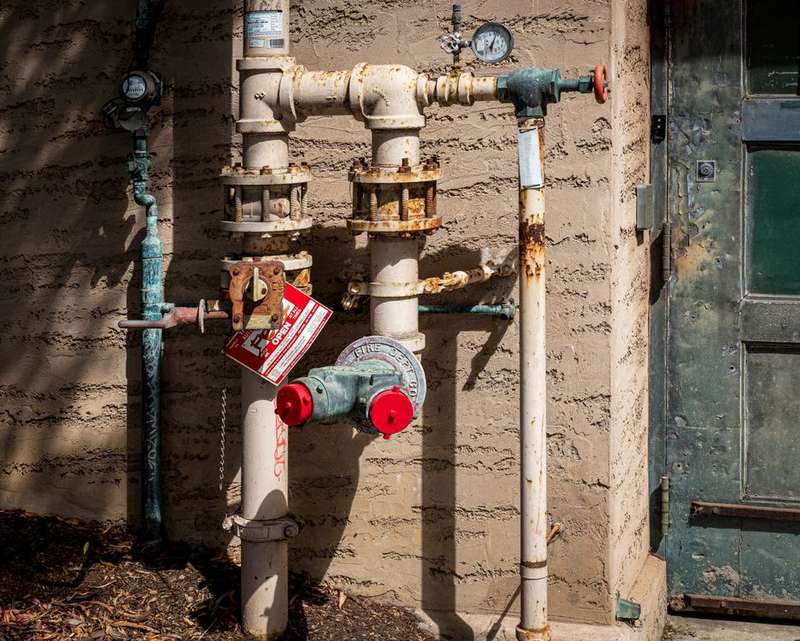
Water damage from slab leaks under concrete floors. Much of Santee's housing sits on concrete slabs, and copper lines under those slabs wear thin and leak under flooring. Warm spots on tile, damp carpet and a water bill that has crept up are the usual signs. We map the wet area, remove the flooring that has to come up, dry the slab and the structure, and rebuild afterwards. The pipe repair itself is work for a licensed plumber; we restore everything the water touched.
Roof leaks on older and newer homes alike. First-storm leaks through worn flashing or tired roofing are a regular pattern, and the water often shows up as a stain on a ceiling days later. Newer homes are not immune: flashing and seals on a young roof can fail in a hard storm, and the attic is where the damage starts.
Sewage backups in older streets. Root-blocked laterals and aging drains are a known pattern in the older parts of the city. Sewage water is Category 3 water, so porous materials it touched are removed rather than dried, and surfaces are treated before drying begins.
Commercial losses in the Town Center. The Town Center holds shops, offices, restaurants and apartments in a dense mix, and a burst line above a shop can close the business below it. A roof leak over a restaurant or office needs a fast, documented response so the business can reopen.
Neighbourhoods we serve in Santee, CA
We work across the whole city, in ZIP codes 92071 and 92072.
- Carlton Hills: One of the oldest parts of Santee, with 1960s homes, Carlton Hills Golf Course and Mast Park nearby. Aging plumbing and mature landscaping are the typical patterns here.
- Town Center: The heart of the city, covering 706 acres on both sides of the San Diego River. The Town Center plan names an Arts and Entertainment Neighbourhood, a Town Center Commercial Neighbourhood, a Mast Boulevard Residential Neighbourhood, a Park Avenue Residential Neighbourhood and facilities-based neighbourhoods, with Mission Gorge Road running through it.
- Woodglen Vista: Neighbourhood north of Mission Gorge Road and east of Cuyamaca Street, with Woodglen Vista Park at its centre.
- Carlton Oaks: Residential streets around Carlton Oaks Drive and Carlton Oaks Golf Course, with a mix of older and updated homes.
- Sky Ranch: Hillside homes on the eastern side of the city, where runoff from higher ground is the main risk.
- Mission Gorge: The corridor along Mission Gorge Road, mixing residential streets with commercial buildings.
- Mast Boulevard and Park Avenue: Residential neighbourhoods in the Town Center area, close to the river plain.
If your street is not listed here, call us anyway. We serve every address in 92071 and 92072.
Water damage restoration services in Santee, CA
Every service we offer in La Mesa is available in Santee. The services below are the ones Santee homeowners and businesses call for most often.
Emergency Water Extraction
Standing water removed fast, day or night. In Santee this is often the first call after a burst line or storm water on the river plain.
Learn more →Storm & Flood Water Damage
Winter runoff, river plain flooding and storm-driven water, including roof leaks and hillside runoff from the north and east of the city.
Learn more →Burst Pipe Water Damage Cleanup
Cleanup, drying and restoration after a burst supply line. We restore the damage; a licensed plumber handles the pipe itself.
Learn more →Structural Drying & Dehumidification
Drying the structure itself, not just the surface, with air movers and LGR dehumidifiers, including desiccant drying where dense materials need it, held to a measured drying goal.
Learn more →Mold Remediation
Containment and removal of mold after water damage, with mold testing and mold inspection as part of the process. Mold can start within 24 to 48 hours of water exposure, so a slow leak found late often needs remediation as well as drying. Slow leaks in older Santee homes are a common cause.
Learn more →Ceiling Water Damage Repair
Drying and repair for ceilings damaged by leaks from above, including bathroom leaks, supply line leaks and air conditioning drain leaks.
Learn more →Sewage Backup Cleanup
Safe Category 3 cleanup, removal of what cannot be saved, and sanitising of affected areas.
Learn more →Carpet & Floor Water Damage
Carpet, hardwood, laminate and tile drying, with honest advice on what can be saved and what must go.
Learn more →Water Damaged Drywall Repair
Drywall removal and replacement after water damage.
Learn more →Commercial Water Damage Restoration
Water damage restoration for shops, offices and multi-family buildings, including the Town Center and the Mission Gorge corridor.
Learn more →See all of our services on our services page.
How a job works in Santee
If water is spreading now, a few first-hour steps help before the crew arrives. Shut off the water at the main valve if you can reach it safely, and turn off power to wet rooms only if the panel itself is dry. Keep clear of standing water near outlets, cords and appliances. Photograph every wet room before anything is moved, and lift rugs, boxes and soft furnishings off the floor. If your home sits in or near a mapped flood area, tell us when you call, as it helps us plan the job and the documentation your insurer will want to see.
When you call, tell us what happened, which rooms are wet and what kind of water it is, and tell us which part of Santee you are in. A river-plain home near the Town Center is a different job from a hillside home in Sky Ranch, and a 1960s house in Carlton Hills has different risks from a newer subdivision.
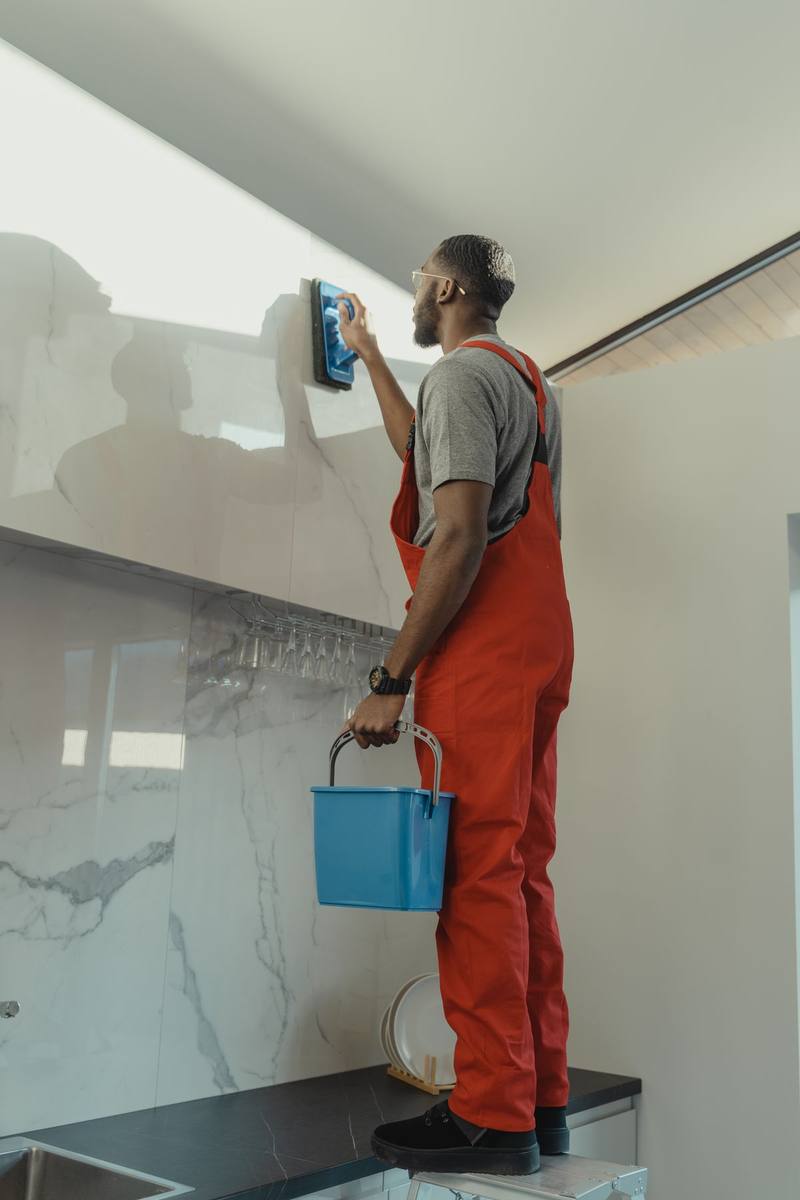
Our technicians walk the property and map wet materials with moisture meters and thermal imaging before any equipment goes down. On river-plain jobs this step is essential, because storm water may have entered through more than one point and travelled inside walls before it showed. You see the full scope before work starts.
Standing water is removed with truck-mounted and portable extraction units. Materials soaked by contaminated water, or damaged beyond drying, are removed and disposed of properly. Air movers and LGR dehumidifiers are set to each room and monitored with daily moisture readings, and equipment stays until readings confirm the structure is dry, not just until it looks dry. Equipment comes out when readings sit close to a dry reference taken from an unaffected part of the home, not on a fixed date. Affected surfaces are cleaned and treated, and mold prevention is part of the process from the start. Drywall, flooring, baseboards and trim are then replaced to bring the space back to its condition before the water event. Moisture maps, daily moisture and psychrometric readings, drying logs and photographs are recorded throughout, so you have a complete file for your insurance claim.
If your home sits in or near a mapped flood area, tell us when you call. It helps us plan the job and the documentation your insurer will want to see.
Why choose La Mesa Water Damage Restoration in Santee
- River-plain expertise. We plan for storm water that enters through more than one point and travels inside walls, so a Town Center home and a Sky Ranch hillside home each get the right response.
- Moisture mapping before drying starts. Meters and thermal imaging show the full scope, including water that entered through the ground floor, a garage and a shared wall, before any equipment goes down.
- Measured drying, not guesswork. Air movers and LGR dehumidifiers stay until daily moisture readings confirm the structure is dry.
- Documentation your insurer will want. Moisture maps, daily moisture and psychrometric readings, drying logs and photographs are recorded throughout, and we note flood-map context where it applies, so you have a complete claim file.
- One team from extraction to rebuild. The same crew that extracts the water dries the structure and repairs the drywall, flooring and trim afterwards, and works around opening hours where possible so a Town Center business can reopen sooner.
- Clear arrival windows. Tell us your address when you call and we will give you an honest arrival window.
Frequently asked questions
Homes on the river plain face more storm water risk than homes on higher ground, and the updated 2026 flood maps reflect that. Risk does not mean damage is certain, but it does mean a fast response matters more when water arrives. If you are unsure whether your address sits in a mapped area, check with your insurer or the city, and call us quickly if water gets in.
Santee sits to the north-east of La Mesa, and it is a short drive further than El Cajon or Lemon Grove. Response time depends on traffic and how many emergencies are running. Tell us your address when you call and we will give you an honest arrival window.
Older homes do tend to hide more damage, because leaks can run inside walls for weeks before they show. That is why we map moisture before we start, rather than guessing. The age of the home does not change the process, but it does change how carefully we check.
Yes. Our commercial water damage restoration service covers shops, offices and multi-family buildings, and we work around opening hours where possible so a business can reopen sooner.
Many sudden and accidental losses, such as a burst supply line, are often covered after your deductible. Rising storm water usually falls under flood cover, and slow leaks or sewer backups may be excluded. Cover depends on your policy, so check with your own insurer. We document everything so you have a complete claim file.
The emergency work does not change: extraction and drying start the same way. What changes is the documentation, because flood-area losses need a complete record for the insurer, and the drying plan has to allow for water that entered through more than one point. Tell us when you call so we can plan for both.
Yes. Our commercial water damage restoration service covers shops, offices and multi-family buildings, including the Mission Gorge corridor and the Town Center. We work around opening hours where possible so a business can reopen sooner.
Category 1 is clean water from a supply line or slab leak. Category 2 is grey water from dishwashers, washers and irrigation water through soil, where soaked padding and drywall usually come out. Category 3 is black water: sewage and storm water from the river plain, where porous materials are removed rather than dried and surfaces are treated before drying begins. The category is set at the first visit, because it decides how the job is handled from the start.
Water damage in Santee? Call now
If water is spreading through your home or business in Santee, CA, do not wait for it to dry on its own. The river plain, the older housing in Carlton Hills and the growing subdivisions all make a slow response expensive. Call La Mesa Water Damage Restoration now and tell us what has happened and where you are. We will talk you through the first steps and arrange help.
[PHONE NUMBER] Call Now: [PHONE NUMBER]